Ben Fogle: Is Digital Overwhelm a Greater Danger Than Everest?
Ben Fogle. The name evokes images of wild landscapes, daring expeditions, and a spirit of indomitable adventure. From scaling the treacherous peaks of Everest to rowing across the vast Atlantic, Fogle has consistently pushed the boundaries of human endurance, often with cameras rolling, placing him squarely in situations where the phrase "ben fogle filming danger" is an understatement. Yet, in a surprising turn, the seasoned adventurer recently revealed a deeply personal struggle, one that didn't involve hypothermia or perilous currents, but the insidious threat of digital overwhelm. He suffered a "small breakdown" in 2023, overwhelmed by the cacophony of modern life and the relentless onslaught of social media. This candid confession begs a profound question: for Ben Fogle, and perhaps for all of us, is the invisible, psychological danger of digital overwhelm a more formidable adversary than the tangible, life-threatening perils of Everest?
From Taransay to Everest: A Life Defined by Physical Extremes
Ben Fogle's career is a testament to his thirst for genuine, raw experience. His journey into the wild began in 1999, far from the digital noise, marooned on the remote Scottish island of Taransay for the BBC's *Castaway* experiment. This year-long immersion in primal living was "life-changing," fundamentally reshaping his perspective on adventure and existence itself. It set the stage for a lifetime of extreme challenges where Ben Fogle filming danger became a standard part of his professional and personal brand.
His adventures have routinely pitted him against nature's fiercest elements. While rowing across the Atlantic with Olympic rower James Cracknell, Fogle found himself in a heart-stopping moment: flung 100 meters from the boat during a ferocious storm, without a life vest or safety harness. He describes genuinely believing he was going to die, an experience that left an indelible mark on him.
In 2018, he conquered Mount Everest, a feat that tested every fibre of his being. The thin air, extreme cold, altitude sickness, and sheer exhaustion made every step "a fight for survival." He also navigated the dense, threatening ecosystems of the Amazon rainforest, describing it as a place "where everything wanted to kill you – from insects to jaguars." These are environments where *ben fogle filming danger* wasn't just a captivating TV hook, but a stark reality he had to confront minute by minute. His motivation for repeatedly dicing with death? A philosophy rooted in "pushing boundaries and living fully." To delve deeper into these incredible physical challenges, read our related article:
Ben Fogle: Surviving Death in His Most Extreme Wild Adventures.
The Unseen Summit: Ben Fogle's Battle with Digital Overwhelm
Despite a life spent confronting visible, physical threats, it was an unseen enemy that brought Ben Fogle to his knees. In 2023, he admitted to suffering a "small breakdown," experiencing anxiety and nervousness for the first time in his life. The culprit? Not a raging storm or a hostile predator, but the overwhelming "noise and chaos" of social media platforms. He issued a stark warning: "We're all in danger of being overwhelmed with noise, materialism and fear."
Fogle articulated how social media, despite his early adoption, has devolved into "an avalanche of negativity," fueling hate, encouraging constant comparison, and adding to an unbearable "cacophony." This digital deluge, he argues, contributes to a widespread "mental health epidemic" in the UK, a crisis further exacerbated by the persistent "stigma" surrounding mental health discussions. The contrast between physical dangers encountered while *filming danger* in the wild and the psychological dangers of the digital world is stark. While Everest presents clear, calculable risks, the insidious erosion of mental wellbeing by constant digital bombardment is far harder to identify, quantify, and escape. It highlights that while *ben fogle filming danger* offers thrilling viewing, the unseen threats to mental health can be far more insidious. For a deeper dive into this personal crisis and its broader implications, explore:
Ben Fogle's Breakdown: Unpacking Modern Life's Mental Health Danger.
Off-Grid Aspirations: Finding Solace Beyond the Screen
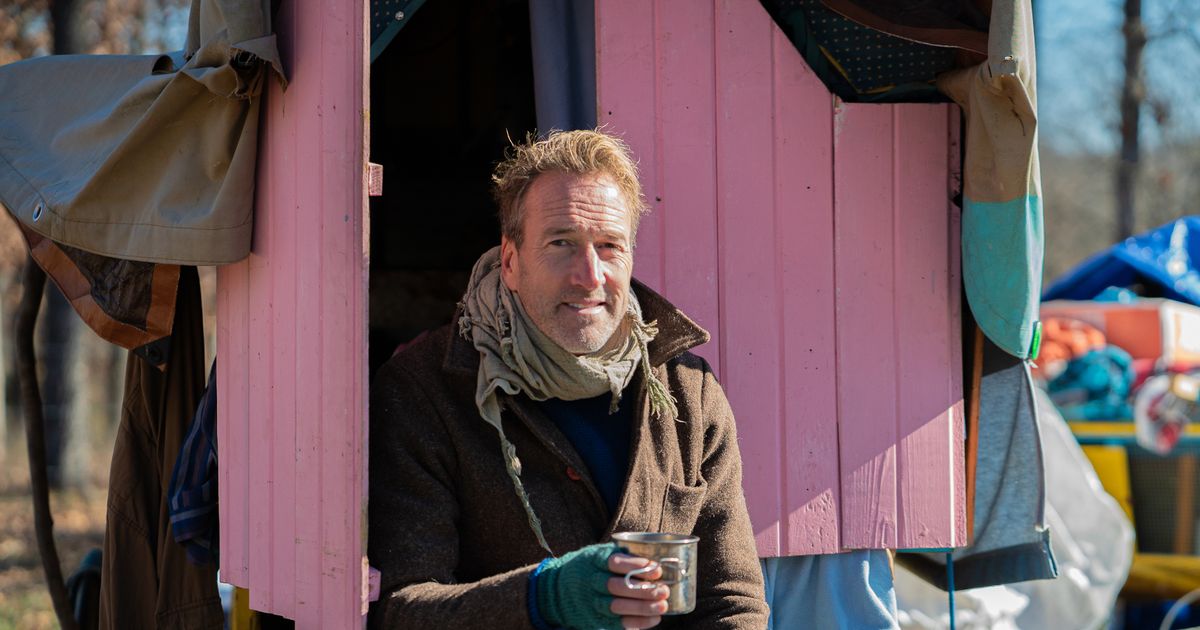
Ben Fogle's personal "wobble" profoundly influenced his perspective and aspirations. His new television series, *New Lives in the Wild*, showcases individuals who have embraced off-grid living, demonstrating its potential to help those dealing with bereavement, financial struggles, or mental health challenges. This programme resonated deeply with Fogle, cementing his own desire for a radical change.
He now actively contemplates abandoning his life in Britain for an off-grid existence, envisioning a small cabin in Norway or Sweden, perhaps an island in the Arctic Circle. This isn't just an escape; it's a deliberate pursuit of purposeful living. He dreams of chopping and stacking firewood, taking bracing early-morning dips in icy waters, and paddling in his Canadian canoe. This back-to-basics lifestyle, he believes, would afford him the mental space and time to master new abilities, such as painting or boat-building. It's a vision of deliberate disengagement, a stark contrast to the relentless connectivity that triggered his breakdown. For Fogle, true adventure now seems to lie not just in conquering mountains, but in finding profound peace away from the digital world's relentless demands.
Navigating Modern Life: Practical Steps to Combat Digital Overwhelm
Ben Fogle's journey, from facing death in the wilderness to confronting a mental health crisis born from digital overload, offers valuable lessons for us all. While not everyone can move to an Arctic cabin, his experience underscores the urgency of creating boundaries and seeking solace in a hyper-connected world.
Here are practical steps inspired by Fogle's insights:
* **Implement Digital Detoxes:** Following Fogle's lead, significantly reduce time spent on social media. Start with small, manageable breaks – an hour without your phone, a screen-free evening, or even a full digital-free day once a week. Use apps to monitor usage and set limits.
* **Embrace Nature's Therapy:** Just as Fogle yearns for the wild, integrate more time outdoors into your routine. Whether it's a walk in a local park, gardening, or a weekend hike, connecting with nature has proven benefits for mental wellbeing, reducing stress and anxiety.
* **Cultivate Real-World Skills & Hobbies:** Like Fogle's desire to paint or build boats, engage in activities that demand your full, present attention and offer a sense of accomplishment outside the digital realm. This could be anything from cooking and reading to learning a musical instrument or volunteering.
* **Practice Mindful Consumption:** Be conscious of the content you consume online. Unfollow accounts that promote negativity or unrealistic comparisons. Seek out sources of inspiration, education, or genuine connection instead.
* **Prioritize Physical Activity:** Fogle's life is steeped in physical exertion. Regular exercise is a powerful antidote to stress and anxiety, boosting mood and improving cognitive function. Find an activity you enjoy and make it a consistent part of your week.
* **Talk About It:** Fogle's open admission about his "breakdown" is crucial. Challenge the stigma around mental health by being honest about your own struggles and offering support to others. Seeking professional help when needed is a sign of strength, not weakness.
Ben Fogle's tale reminds us that true resilience is multifaceted. It's not just about surviving physical challenges, but also about cultivating the mental fortitude to navigate the often-invisible dangers of modern life.
Conclusion: Redefining Danger in the 21st Century
Ben Fogle's dramatic transition from battling the Amazon's jaguars to confronting his own digital demons forces us to reconsider what constitutes "danger" in the 21st century. While the allure of *ben fogle filming danger* in remote, untamed landscapes remains captivating, his personal experience highlights a more insidious threat that quietly undermines mental health within the very fabric of our connected lives. He has literally faced death on Everest, yet found himself overwhelmed by the relentless "noise, materialism, and fear" propagated by social media.
Perhaps the answer to the central question isn't whether one danger is definitively "greater" than the other, but rather that they represent different facets of human vulnerability. Physical dangers are acute, immediate, and often demand a clear, physical response. Digital overwhelm, conversely, is chronic, pervasive, and erodes wellbeing subtly, making it harder to recognise and counteract until it reaches a critical point. Ben Fogle's journey serves as a powerful reminder that while we continue to push physical boundaries, we must equally prioritize and protect our mental landscapes from the unseen pressures of the digital age. His aspiration for an off-grid existence isn't just a personal fantasy; it's a stark, compelling vision for finding balance and reclaiming peace in an increasingly overwhelming world.